Category: natural disasters
Emergency Preparedness: Batteries Not Included
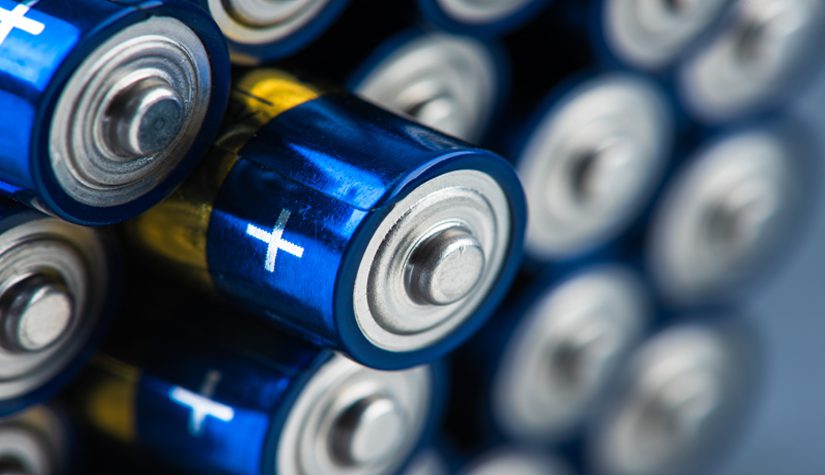
Batteries power many of the things we use and rely on every day. They might also be the only available power source in an emergency. Being prepared to power your personal need devices—things like cellphones, medical devices, and assistive technologies—during a power outage is a step toward individual resilience. Planning for power outages can include Read More >
Posted on by Leave a commentResolve to Be Ready, Part II
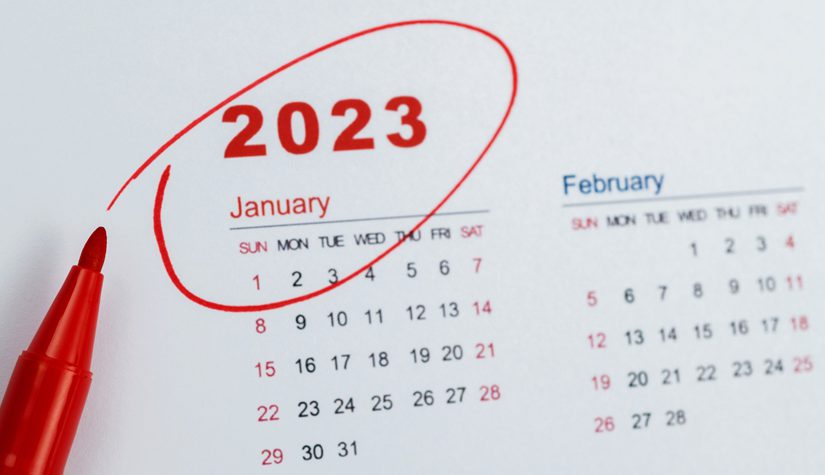
January is the time many of us make resolutions for the new year. Sometimes resolutions feel too big and long drawn out. As a result, our motivation to see them through can peter out before the end of the year. Last year, we suggested 12 micro-resolutions to help you prepare your health for emergencies. Here Read More >
Posted on by Leave a commentAlzheimer’s & Public Health Emergencies

November is Alzheimer’s Awareness Month and National Family Caregivers Month Alzheimer’s disease is the most common type of dementia and is a progressive disease that begins with mild memory loss and possibly the loss of the ability to carry a conversation and respond to the environment. It involves parts of the brain that control thought, Read More >
Posted on by Leave a commentParents & Teachers: Helping Children Cope with Emergencies
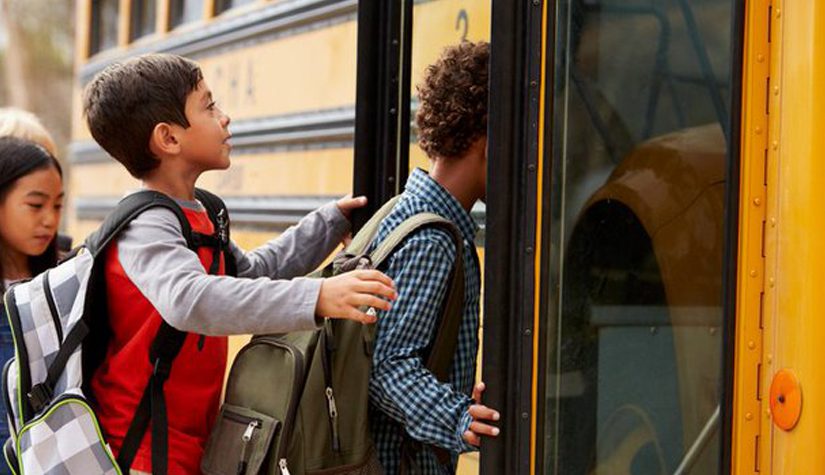
Public health emergencies affect millions of children worldwide each year. These emergencies include natural and man-made disasters. It is difficult to predict how some children will respond to emergencies or the trauma of losing their homes or being separated from school, family, and friends. These events can cause stress and anxiety in children. Because parents, Read More >
Posted on by Leave a commentSeguridad del agua y preparación para emergencias
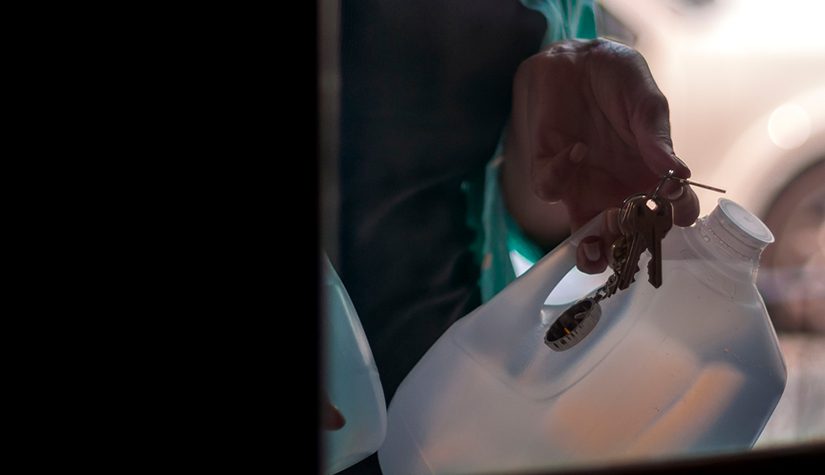
Agosto es el Mes Nacional de la Calidad del Agua English: Water Safety & Emergency Preparedness | Blogs | CDC El sistema de agua potable de los Estados Unidos es uno de los más seguros y fiables del mundo. No obstante, las emergencias, como los desastres naturales (p. ej., huracanes, inundaciones y sequías) y los Read More >
Posted on by Leave a commentWater Safety & Emergency Preparedness
August is National Water Quality Month Español: Seguridad del agua y preparación para emergencias | Blogs | CDC The United States has one of the safest and most reliable drinking water systems in the world. However, emergencies, such as natural (e.g., hurricanes, floods, and droughts) and man-made disasters (e.g., chemical spills), can damage water infrastructure Read More >
Posted on by Leave a comment