Category: General
Public Health Matters Signs Off
CDC is ending the Public Health Matters blog. The agency will not publish new content to the blog after this post. We will continue to publish translations of existing posts and provide an archive of past content. The Public Health Matters blog started in May 2008. The first entry, “New Brain Disease is Blowing Minds,” Read More >
Posted on by Leave a commentEmergency Preparedness: Batteries Not Included
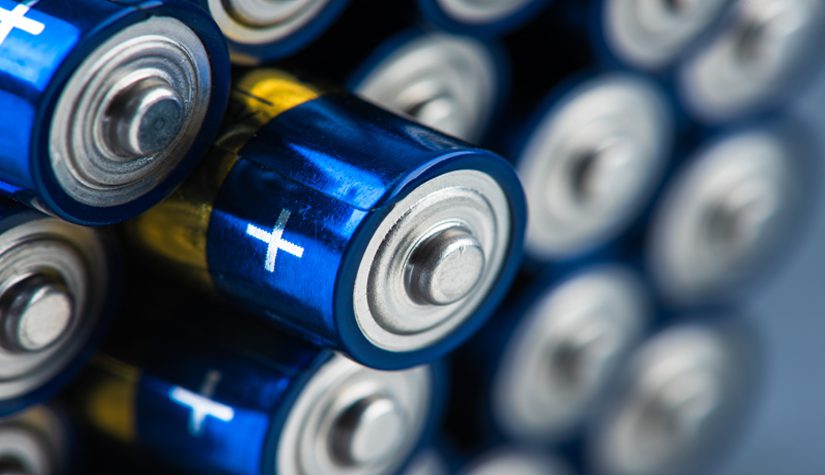
Batteries power many of the things we use and rely on every day. They might also be the only available power source in an emergency. Being prepared to power your personal need devices—things like cellphones, medical devices, and assistive technologies—during a power outage is a step toward individual resilience. Planning for power outages can include Read More >
Posted on by Leave a comment10 Practical Skills to Learn Before an Emergency
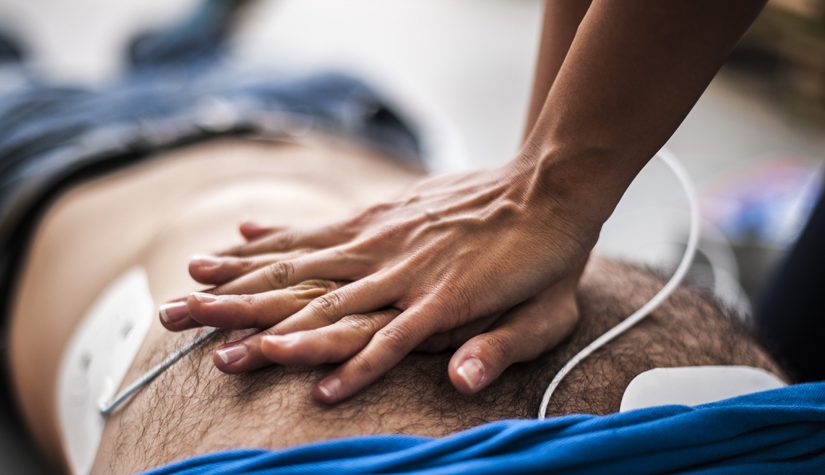
Personal health preparedness isn’t only about collecting supplies. Level up your emergency preparedness. Learn practical skills you can use to help yourself and others. Here are 10 skills you can learn to prepare for an emergency, in no particular order. How to wash your hands the right way. Washing your hands is one of the Read More >
Posted on by Leave a comment#PrepYourHealth to Drive During Winter

Winter is here, and it’s not alone. It comes bearing weather that can make it dangerous to travel. Driving in wintery conditions such as snow, freezing rain, and ice puts drivers at increased risk of car crashes.(1) About 21% (or 1,235,000) of the over 5,891,000 vehicle crashes each year are weather-related. Most weather-related crashes happen Read More >
Posted on by Leave a commentResolve to Be Ready, Part II
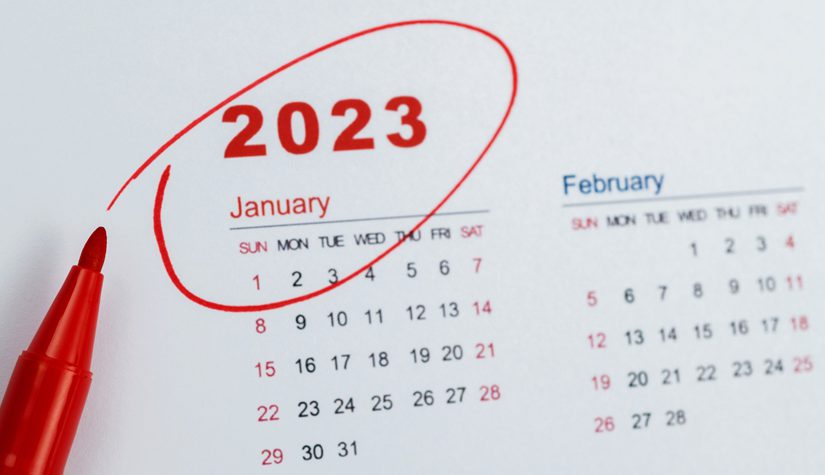
January is the time many of us make resolutions for the new year. Sometimes resolutions feel too big and long drawn out. As a result, our motivation to see them through can peter out before the end of the year. Last year, we suggested 12 micro-resolutions to help you prepare your health for emergencies. Here Read More >
Posted on by Leave a commentIn Case You Missed It: Favorite Blog Posts of 2022
Late December is a good time to reflect on the happenings of the past 12 months. The Center for Preparedness and Response (CPR) published 26 posts to the Public Health Matters blog in 2022. The posts explored various topics related to personal and public health preparedness. All were written with the intention of helping readers Read More >
Posted on by Leave a comment