
Public Health Matters Blog Posts
Partnerships Help Save Lives When Disaster Strikes
Public health emergencies occur every day across the United States. Tornadoes, hurricanes, wildfires, floods, infectious disease outbreaks, terrorist attacks, and other emergencies have all occurred within the past few years and likely will happen again. Communities must be ready in the event of a public health emergency – both those they expect and those that Read More >
Posted on by Leave a comment3 Reasons Why Handwashing Should Matter to You
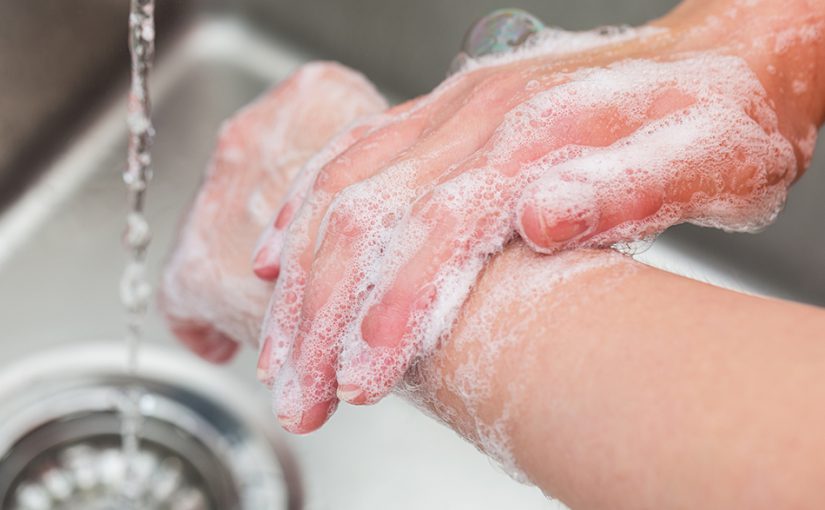
Most of us are familiar with the parental-like voice in the back of our minds that helps guide our decision-making—asking us questions like, “Have you called your grandmother lately?” For many that voice serves as a gentle, yet constant reminder to wash our hands. Handwashing with soap and water is one of the most important Read More >
Posted on by 15 CommentsProtecting Our Future: Emergency Preparedness and Children’s Mental Health

Among the many lessons learned during the 2017 Hurricane season, we recognized that addressing children’s mental and behavioral health needs is a major concern in hurricane-affected areas. CDC’s At Risk Task Force (ARTF) was established in 2017 to ensure identification and prioritization of the mental and physical health needs of at-risk populations, including children. ARTF’s Read More >
Posted on by 4 CommentsPersonal Protective Actions You Can Take in a Flu Pandemic
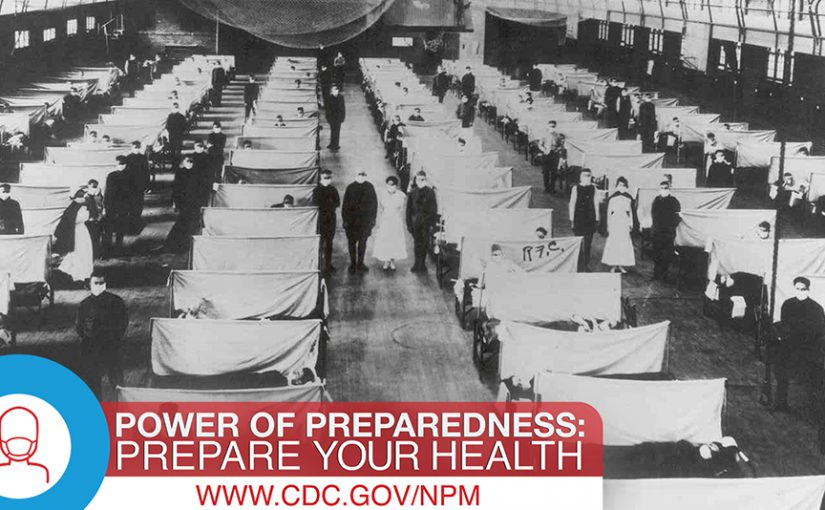
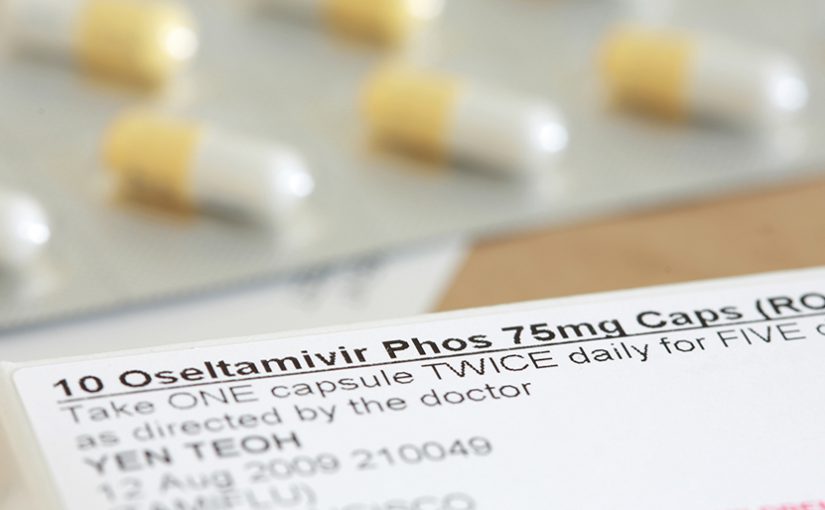
Every fall and winter the United States experiences epidemics of seasonal influenza (flu). Sometimes a flu pandemic occurs due to a new flu virus that spreads and causes illnesses around the world. We cannot predict when a flu pandemic will occur, but over the past 100 years, we have documented four flu pandemics resulting in Read More >
Posted on by 3 CommentsThe Power of Preparedness: Prepare Your Health
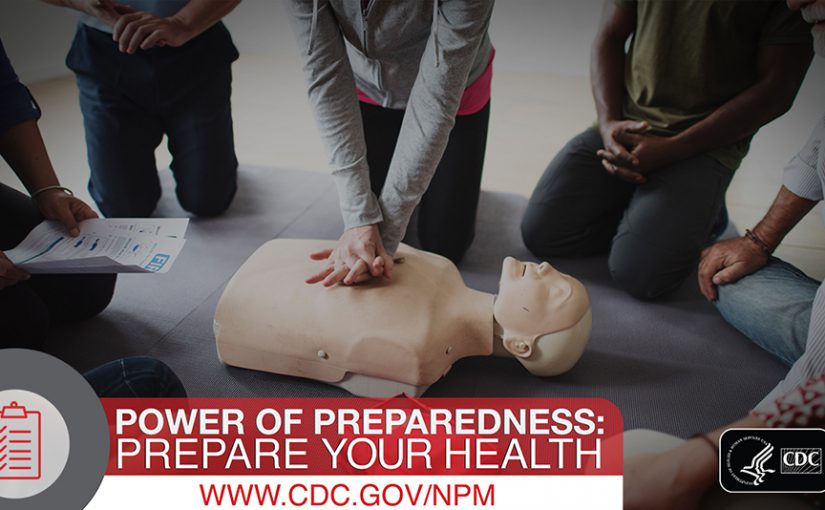
The devastating hurricanes of 2017 reminded us how important it is to prepare for disasters. These potentially life-threatening situations have real impacts on personal and public health. During Hurricane Irma, existing medical conditions and power outages increased the likelihood of death. Being prepared with supplies and an Emergency Action Plan can help you protect the Read More >
Posted on by 5 CommentsKentucky Takes a Novel Approach to Fight the Opioid Crisis
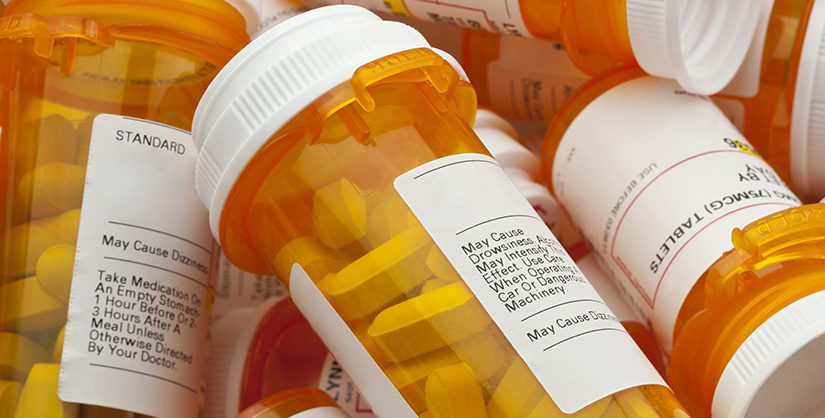
The opioid overdose epidemic is a public health emergency. The state of Kentucky has the third highest rate of drug overdose in the country. The FindHelpNowKY.org website bridges a gap between Kentucky residents and timely access to substance use treatment facilities and services. It provides near real-time available openings at local area substance use disorder Read More >
Posted on by 2 Comments