Category: Vectorborne
Prep Your Health for Floods
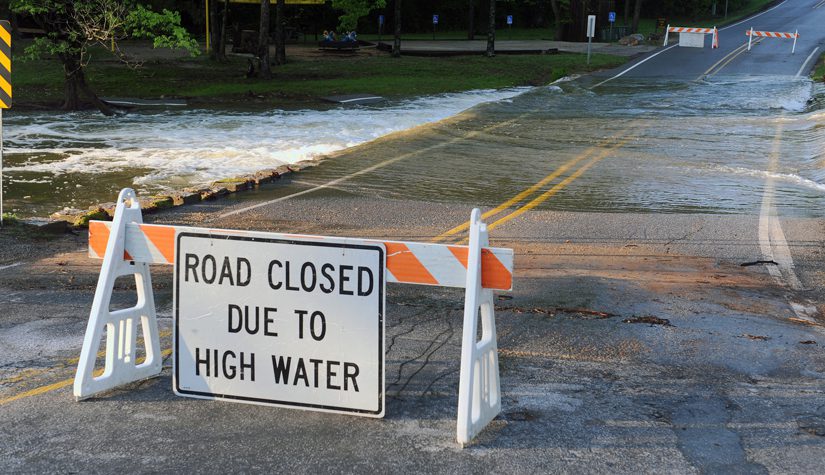
March 14–20 is Flood Safety Awareness Week. Floods are the most widespread of all weather-related natural disasters. They happen in every U.S. state and territory.(1) Here are some ways you can prepare for and respond to flooding. Know Your Risk Flooding can happen year-round anywhere it rains.(1) If you live in a flood-prone area, you Read More >
Posted on by Leave a commentNCEZID Labs, Programs Mark 2019 Milestones
The National Center for Emerging and Zoonotic Infectious Diseases (NCEZID) faced challenges in 2019, but the year also marked a number of milestones for the center. NCEZID’s annual Accomplishments report recaps those achievements and lays out some of the future challenges. Milestones in Laboratory Science CDC’s high-containment laboratories (HCL), which study some of the world’s Read More >
Posted on by Leave a commentViral Lessons: What Paralysis Taught Me About Preparedness and Response
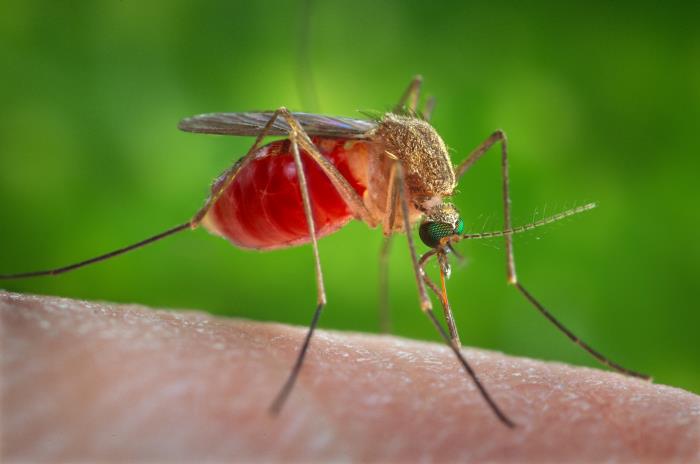
Sometime in mid-August of 2010, I was bitten by a mosquito here in Decatur, Georgia. Normally, that’s not something worth mentioning, but in this instance the mosquito that bit me was carrying a virus, and that bite changed my life. The mosquito that bit me was carrying West Nile virus (WNV). Within a few days Read More >
Posted on by 4 Comments4 Tips to Stay Healthy Around Your Pet

Pets, whether covered in fur, feathers, or scales, are an important part of our lives—most American households own at least one pet. Many people see their pet as a member of the family that brings joy and amusement to their life. But did you know that having a pet can even help improve your health? Read More >
Posted on by 12 CommentsResponding to Emerging and Zoonotic Infectious Disease Threats in 2017

The fungal superbug Candida auris causes serious and often fatal infections. It can strike people in the places where they seek care—hospitals and other healthcare facilities. In early 2016, we knew about outbreaks of C. auris infections on multiple continents, but we were not sure whether C. auris was in the United States. Fast forward Read More >
Posted on by 3 CommentsBattling Biting Mosquitoes and Jumping Genes in 2016

Last year, an expert from the CDC National Center for Emerging and Zoonotic Diseases (NCEZID) found himself in an unlikely position: guest starring on a popular Navajo language radio program to field questions about hantavirus infection. Hantavirus is caused by contact with mouse droppings and can sometimes be fatal. This is just one example of Read More >
Posted on by 1 Comment