Public Health Matters Blog Posts
Mejore su alfabetización en salud para enfrentar emergencias

English: https://blogs.cdc.gov/publichealthmatters/2022/10/health-lit/ Octubre es el Mes de la Alfabetización en Salud Que sea la persona adecuada quien da el mensaje correcto en el momento adecuado salva vidas, pero solo si la audiencia puede entender el mensaje. Las personas necesitan información que puedan encontrar, comprender y usar para tomar siempre las mejores decisiones para su salud. Read More >
Posted on by Leave a comment10 Questions to Ask Your Pharmacist

September 25 is World Pharmacists Day Pharmacists are a bridge between you and your doctor. Your pharmacist might also be the health professional you see and talk to most often about your health.(1) Pharmacists are trained to help you manage and improve your health every day. Your pharmacist—along with your doctor or nurse—can give you Read More >
Posted on by Leave a commentParents & Teachers: Helping Children Cope with Emergencies

Public health emergencies affect millions of children worldwide each year. These emergencies include natural and man-made disasters. It is difficult to predict how some children will respond to emergencies or the trauma of losing their homes or being separated from school, family, and friends. These events can cause stress and anxiety in children. Because parents, Read More >
Posted on by Leave a commentSeguridad del agua y preparación para emergencias
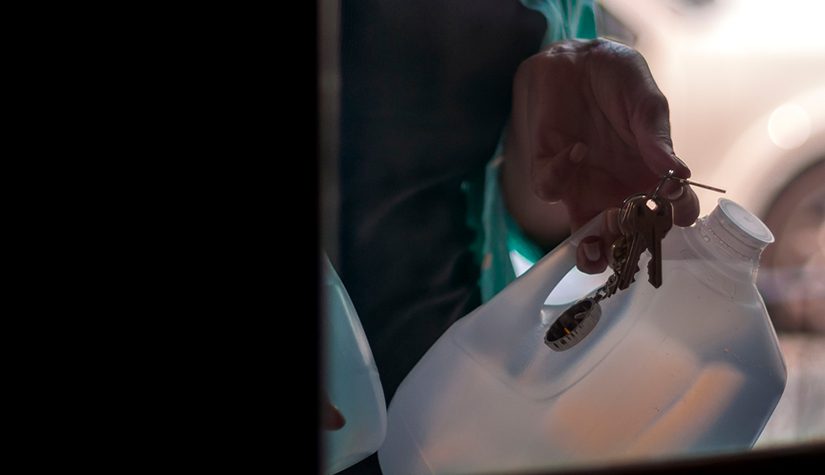
Agosto es el Mes Nacional de la Calidad del Agua English: Water Safety & Emergency Preparedness | Blogs | CDC El sistema de agua potable de los Estados Unidos es uno de los más seguros y fiables del mundo. No obstante, las emergencias, como los desastres naturales (p. ej., huracanes, inundaciones y sequías) y los Read More >
Posted on by Leave a commentWater Safety & Emergency Preparedness
August is National Water Quality Month Español: Seguridad del agua y preparación para emergencias | Blogs | CDC The United States has one of the safest and most reliable drinking water systems in the world. However, emergencies, such as natural (e.g., hurricanes, floods, and droughts) and man-made disasters (e.g., chemical spills), can damage water infrastructure Read More >
Posted on by Leave a comment#PrepareSuSalud con Vacunas
Fuente/English Source: https://blogs.cdc.gov/publichealthmatters/2022/08/immunization-month/ Publicado el 16 de agosto del 2022 por el administrador del blog Agosto es el Mes Nacional de Concientización sobre la Vacunación A lo largo del tiempo, las vacunas han prevenido cantidades incontables de casos de enfermedades y han salvado millones de vidas. Las vacunas son importantes para ayudar a las personas Read More >
Posted on by Leave a comment