
Public Health Matters Blog Posts
5 Good Reasons to Get a Flu Vaccine This Season
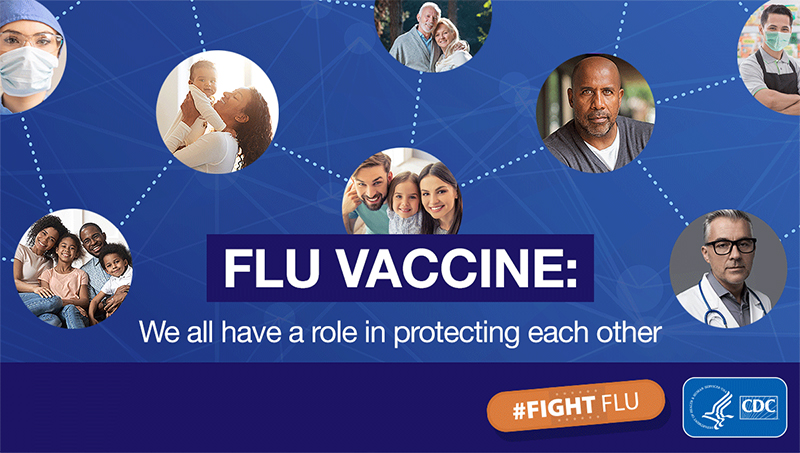
The National Influenza Vaccination Week (NIVW) is a national awareness week focused on highlighting the importance of influenza vaccination. As flu viruses and the virus that causes COVID-19 can spread this season, getting a flu vaccine is more important than ever. Here are five reasons why you should: 1. Helps Keep You Healthy Flu can Read More >
Posted on by 9 CommentsAsthma Intervention Program Provides Emotional Support to Patients
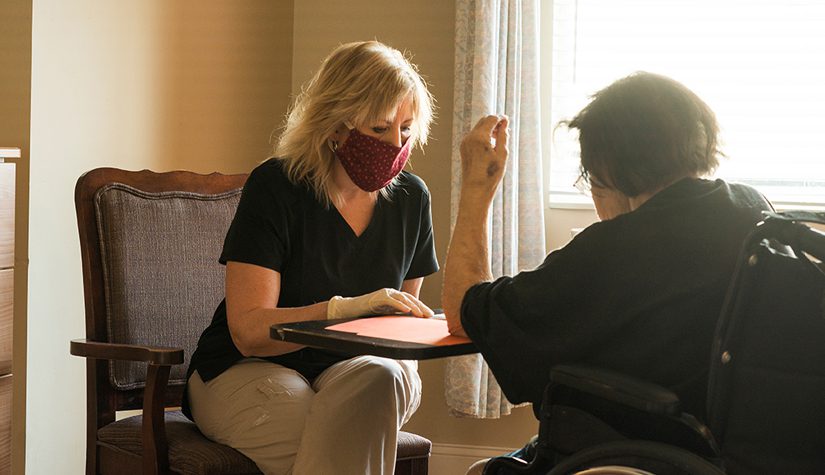
This student-authored post is published by CPR in partnership with Medill News Service and the Northwestern University Medill School of Journalism, Media, Integrated Marketing Communications. The views and opinions expressed in this article are the author’s own and do not necessarily reflect the views, policies, or positions of CPR or CDC. Gloria Seals has for the past Read More >
Posted on by 1 CommentSeattle Seamstress Sews Homemade Masks to Support Community
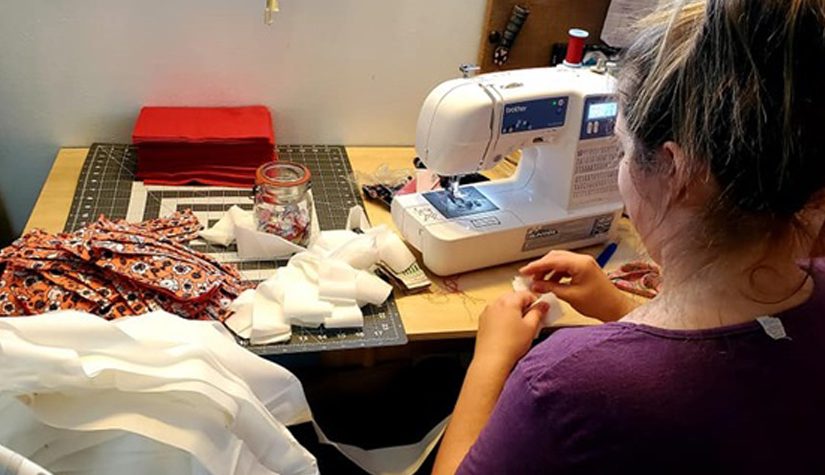
This student-authored post is published by CPR in partnership with Medill News Service and the Northwestern University Medill School of Journalism, Media, Integrated Marketing Communications. The views and opinions expressed in this article are the author’s own and do not necessarily reflect the views, policies, or positions of CPR or CDC. When Monique “Moe” Eveland posted to Read More >
Posted on by 2 CommentsLiving with HIV/AIDS During an Emergency
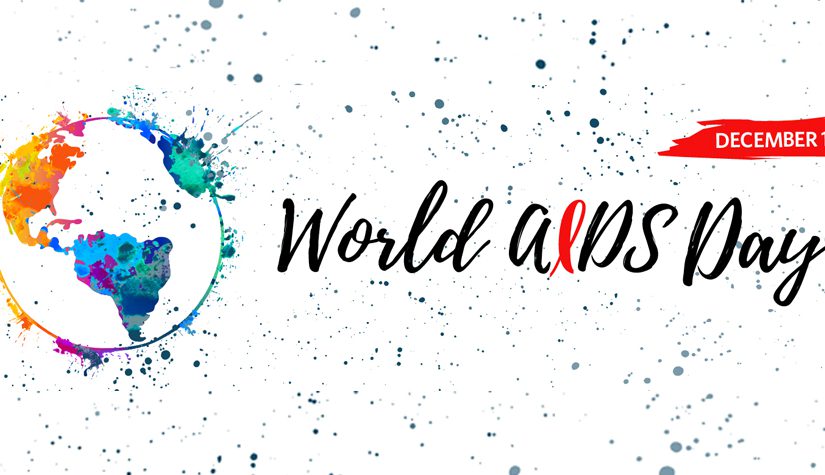
December 1 is World AIDS Day Today, an estimated 1.2 million people are living with HIV in the United States, and an estimated 37 million people are living with HIV worldwide. In observance of World AIDS Day, we invite preparedness-minded people everywhere to unite in the fight against HIV and help people with HIV stay Read More >
Posted on by 1 CommentChicago Community Groups Unite to Help Neighbors During Pandemic
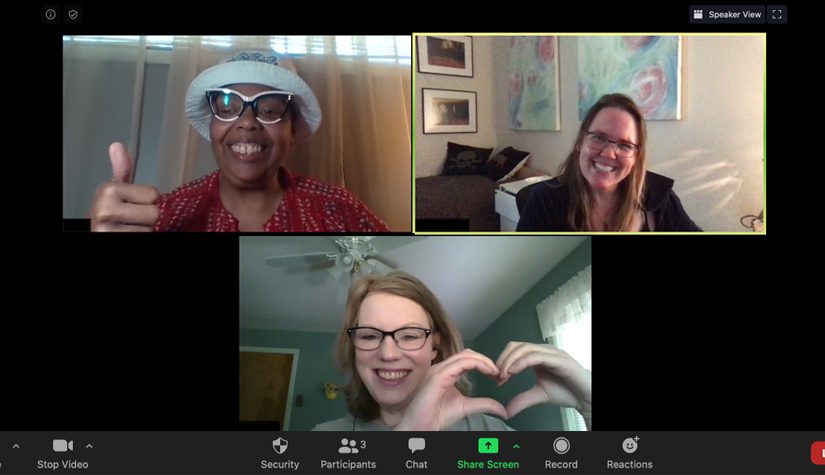
This student-authored post is published by CPR in partnership with Medill News Service and the Northwestern University Medill School of Journalism, Media, Integrated Marketing Communications. The views and opinions expressed in this article are the author’s own and do not necessarily reflect the views, policies, or positions of CPR or CDC. My introduction to phone banking didn’t Read More >
Posted on by Leave a commentTake Care: Prep Your Health Tips for Caregivers
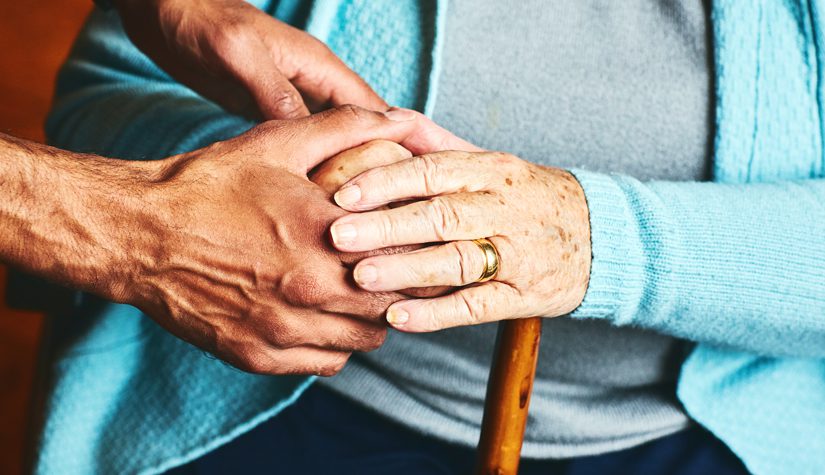
November is National Family Caregivers Month when we celebrate the various and dedicated caregivers in our lives. Caregiving is an important public health issue that affects the quality of life for millions of individuals. Informal or unpaid caregivers (family members or friends) are the backbone of long-term care provided in people’s homes. While some aspects Read More >
Posted on by 3 Comments