
Public Health Matters Blog Posts
Prepare Your Health: Personal Health Preparedness for People with Bleeding Disorders
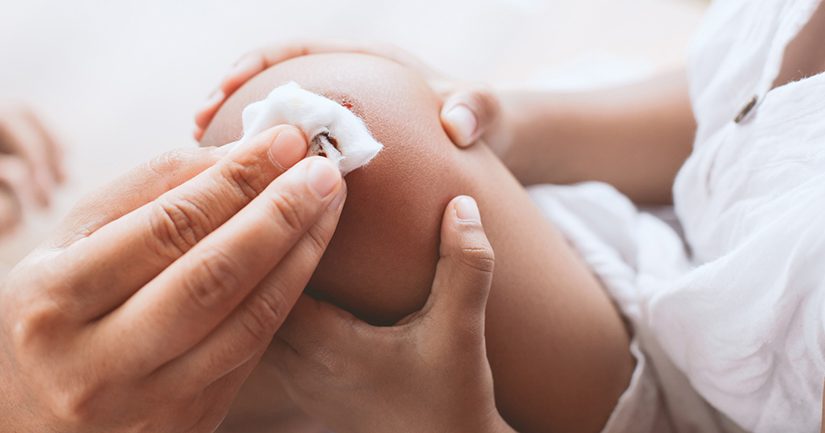
March is Bleeding Disorders Awareness Month. Learn more about bleeding disorders, their symptoms, treatments, and how to prepare for emergencies on the Division of Blood Disorders website. Personal health preparedness and planning are important for everyone but essential for people with bleeding disorders. Bleeding disorders, such as hemophilia and von Willebrand disease (VWD), are conditions Read More >
Posted on by 4 CommentsDigging Out: 5 Ways to Prepare Your Health to Shovel Snow

Shoveling snow is strenuous exercise. Just the thought of moving hundreds of pounds of snow and slush is enough to make your legs prickle, to make your arms and shoulders burn, and to make your back tire. Shoveling snow is such strenuous exercise that, according to Harvard Medical School, an 185-pound person can expect to Read More >
Posted on by 8 CommentsHealth Departments Work Off the Field to Keep Fans Safe, Healthy on Game Day

It’s almost game day. Over the course of this week, an estimated 1 million people will visit Atlanta for the Super Bowl LIII experience or to attend the game on Sunday, Feb. 3. A week from now, after the Vince Lombardi Trophy is awarded and the fans head home, things will return to normal. And Read More >
Posted on by Leave a commentService Beyond Oneself: MRC Volunteers Share Their ‘Why’

The Martin Luther King (MLK) Day of Service is an opportunity to help “strengthen communities, bridge barriers, [and] create solutions to social problems” through volunteering. While there are many ways to strengthen your community, one way is to help your community prepare for public health emergencies. Improving community preparedness and responses to public health emergencies is, of Read More >
Posted on by 4 CommentsOperation Shortbread Is Not Your ‘Cookie Cutter’ MCM Exercise
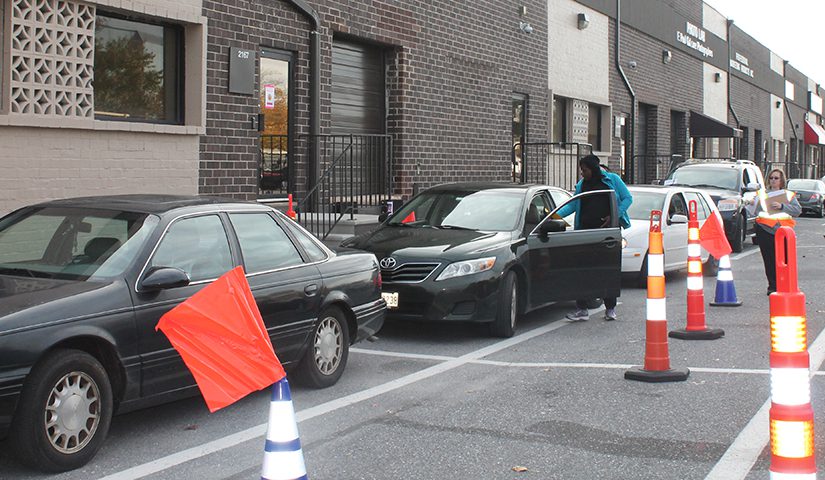
December 4 is National Cookie Day, which—from a public health perspective—is what makes the scratch-made story of Baltimore County Department of Health and Human Services’ Operation Shortbread a fitting one to tell this time of year. What do cookies have to do with public health, you ask? Before we answer that question, let’s begin with Read More >
Posted on by 5 CommentsThe Neighborly Thing To Do: States Helping States During Disasters
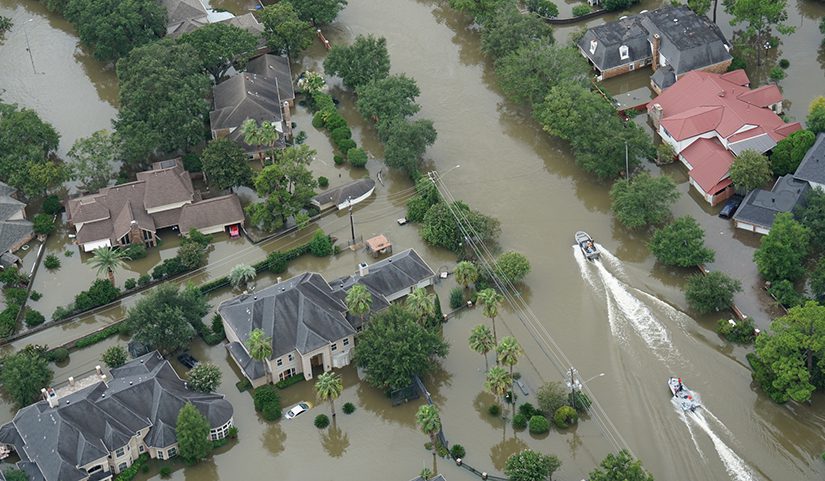
Since 9/11, the CDC’s Public Health Emergency Preparedness (PHEP) cooperative agreement program has been a critical source of funding, guidance, and technical assistance for state and local public health departments, helping to build and maintain a nationwide emergency management system that saves lives through its capability to rapidly respond to threats. But the PHEP program Read More >
Posted on by Leave a comment